What happened
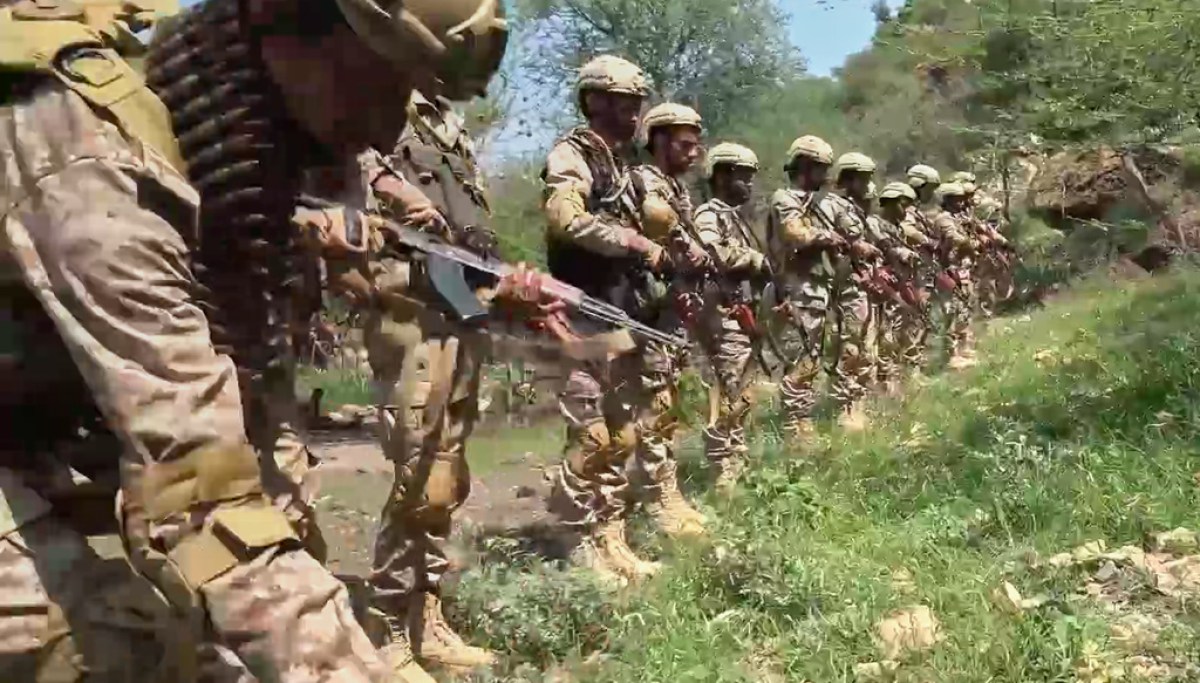
The civil war in Yemen has entered a new phase after the Houthi rebels seized the entire Red Sea coastline in a lightning offensive in September. The Houthi movement has made significant gains, controlling about one-third of Yemen's landmass, including the capital Sanaa and 70-80% of the population. However, their advance has been slowed down by stiff resistance from the Presidential Leadership Council (PLC) forces and their allies in the southwestern highlands.
The Houthis have launched new offensives in the strategic southwest highlands, concentrated around the critical city of Taiz, which is the third-largest city in Yemen and the only one of the country's top five cities that the PLC controls outside of its capital, Aden. The city is a key target for the Houthis, as it would allow them to sever major roads linking Yemeni cities with Aden and weaken the constitutional government.
The PLC forces have put up stiff resistance, and the Houthis have not been able to make significant gains in the southwest highlands. The Saudis are planning a massive offensive, involving over 100,000 Yemeni troops, to retake the Bab el Mandeb Strait, which is a critical maritime trade chokepoint. The reported offensive is expected to take place sometime in the next several weeks.
The Houthis' next move is uncertain, but analysts believe they may strike next in the southwestern highlands or in the eastern front in and around Marib, which has significant oil and gas reserves. The PLC forces have fared better on the eastern front, where they claim to have made modest gains. However, the Houthis' strategy appears to be focused on Taiz, particularly the main highway connecting Taiz city to Aden, which is a critical ground line of communication for the Yemen National Army and allied forces.